


Breast augmentation surgery is a surgical procedure performed to increase the volume and fullness of breasts. It is typically chosen to balance body proportions, boost self-confidence, or restore the former fullness of breasts that have lost volume due to pregnancy, weight loss, or aging.
This aesthetic operation is typically performed using either silicone implants or transfer of the patient’s own fat tissue (obtained through liposuction). Silicone implants can be selected according to personal preferences with different shapes, sizes, and filling materials. Fat injection method is a popular alternative for those seeking a natural appearance.
The operation is performed under general anesthesia by an expert plastic surgeon and is planned considering the patient’s physical structure and aesthetic expectations. While the recovery process varies from patient to patient, patients can usually return to daily activities within a few weeks.
Breast Augmentation Surgery Process
First, you will be examined. Then, together with your doctor, you will decide on the size, shape, and placement location of the implant.
The surgery is performed under general anesthesia and takes approximately 1.5 hours.
After the surgery is completed, a shaping bra is fitted, and you are taken to your room. You will be hospitalized for a maximum of one day.
After surgery, we prefer that you lie on your back at a 30-45 degree angle from your hips, especially for the first 3 days.
You will take oral pain medication and antibiotics for five days.
You can shower on the 3rd day after surgery, and your dressing will be changed the same day. There are no stitches that need to be removed.
The bra needs to be worn especially for 3-6 weeks.
What are the Breast Augmentation Surgery Methods?
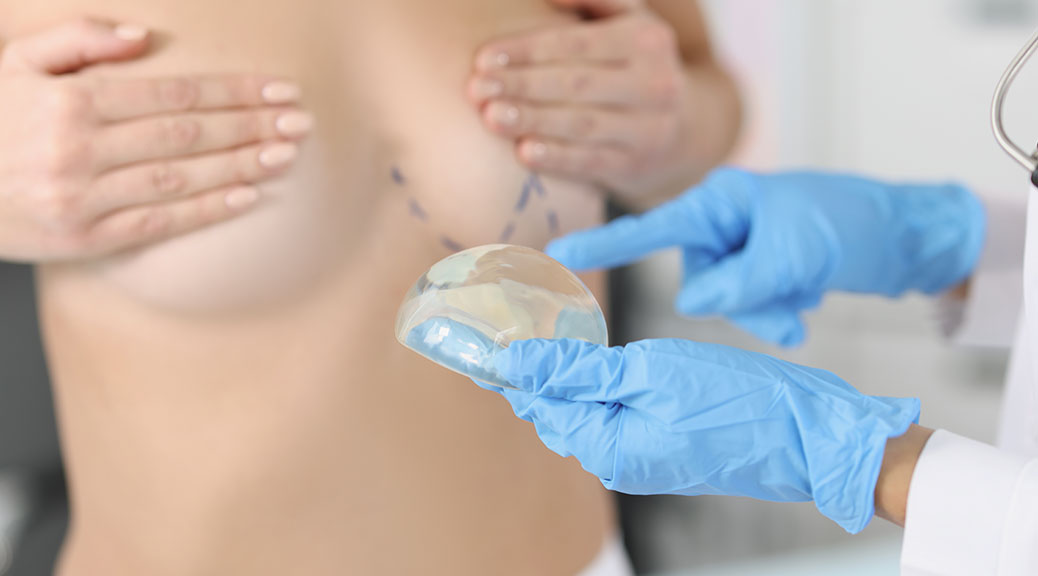
If a woman has small breasts and wants to permanently enlarge them, surgery is currently the safest way. There are basically two surgical methods. The first is the method where we inject the patient’s own fat into the breasts, and the second is the
Breast Augmentation with Fat Injection
Fat injection for breast augmentation is a method that can be applied to a limited group of patients. It can be particularly applied to increase fullness in the décolleté area and correct small-scale asymmetries and shape deformities. While using one’s own fat is naturally appealing, its disadvantages such as infection risk, limited volume increase, often requiring a second session, and complicating diagnostic approaches for breast diseases are the main reasons why this application remains limited.
Breast Augmentation with Implants
Breast augmentation with implants is cosmetic surgery performed to increase the size and shape of the breasts. In this procedure, silicone-filled implants are placed under the breast to achieve fuller and more aesthetic-looking breasts.
Are Silicone Breast Implants Healthy?
Many serious organizations worldwide have conducted studies on this topic for many years and reached this conclusion: There is no evidence that silicone implants are responsible for any major diseases in the body. Silicone is known to be the least allergenic substance for the body and therefore is not expected to cause allergic reactions. It has no known side effects on milk production or breast diseases (including cancer).
Do Breast Implants Need to be Replaced Periodically?
Previously commonly used saline-filled implants would deform over time (approximately 5-10 years) and needed replacement. However, with today’s solid gel-filled silicone implants, we don’t encounter such situations. The only exception is the development of capsular contracture.
What is Capsular Contracture?
The body perceives the placed implant as a foreign object and creates a physiological barrier around it to contain it in a limited area. In 0.5-1% of patients, this barrier forms excessively and turns into what we call a capsule. In advanced cases of capsules, the breast shape becomes distorted.
How is Capsular Contracture Treated?
Capsule reactions below a certain level don’t require intervention. However, in advanced cases causing breast deformities, treatment requires cutting or removing the capsule along with simultaneous implant replacement. If the implant was initially placed under the breast, it can be repositioned under the muscle in the second surgery. Different treatment alternatives are considered based on the patient’s condition.
How is Breast Augmentation Surgery Performed?
If a woman has small breasts and wants to permanently enlarge them, surgery is currently the safest way. There are basically two surgical methods. The first is the method where we inject the patient’s own fat into the breasts, and the second is the
The only healthy non-surgical method for breast enlargement is using a supportive bra. Despite claims about their natural properties, medications, creams, organic tablets, etc., should not be trusted for breast enlargement. Any product that could enlarge breast tissue would need to have hormonal effects. These hormonal effects could lead to serious health problems and increase your cancer risk. Absolutely do not use breast enlargement products sold under names like herbal products, dietary supplements, etc., which sell false hopes and dreams.
In the early period, complications that can occur in any surgery may arise, such as infection, bleeding, suture opening, and hematoma (blood collection). These situations are very rare, but you should know about them before surgery, even though they’re uncommon. In the late period, capsular contracture may occur.
If you’re tired of your implants and want them removed, they can be removed even under local anesthesia. If they weren’t high volume implants, your breasts won’t change much after removal. You can continue your life without implants from where you left off.
It would be incorrect to say that implants delay cancer diagnosis or reduce the chance of early detection. They don’t create difficulties with advanced imaging methods used today such as MRI, USG, and CT. The radiologist just needs to be informed about the presence of implants.
Implant surgery does not prevent breastfeeding. Furthermore, studies have shown that women with implants do not have higher silicone levels in their milk compared to women without implants. Studies have shown that cow’s milk and baby formula contain more silicone than the milk of women with breast implants.
If the breast sagging (ptosis) is minimal and the breasts are smaller than ideal size, they can be improved by implant placement alone. However, if the sagging is advanced and breast volume is low, the implant should be placed in combination with breast lift surgery (mastopexy).

