

What is Ear Aesthetics?
The procedure known as fat injection involves transferring processed fat—harvested from an area of the body with excess adipose tissue by the suction method—to the area that needs it using needles. With this technique, any area of the body that requires it can be treated. It can be used to add volume, soften wrinkles, refine contours, and rejuvenate the skin.
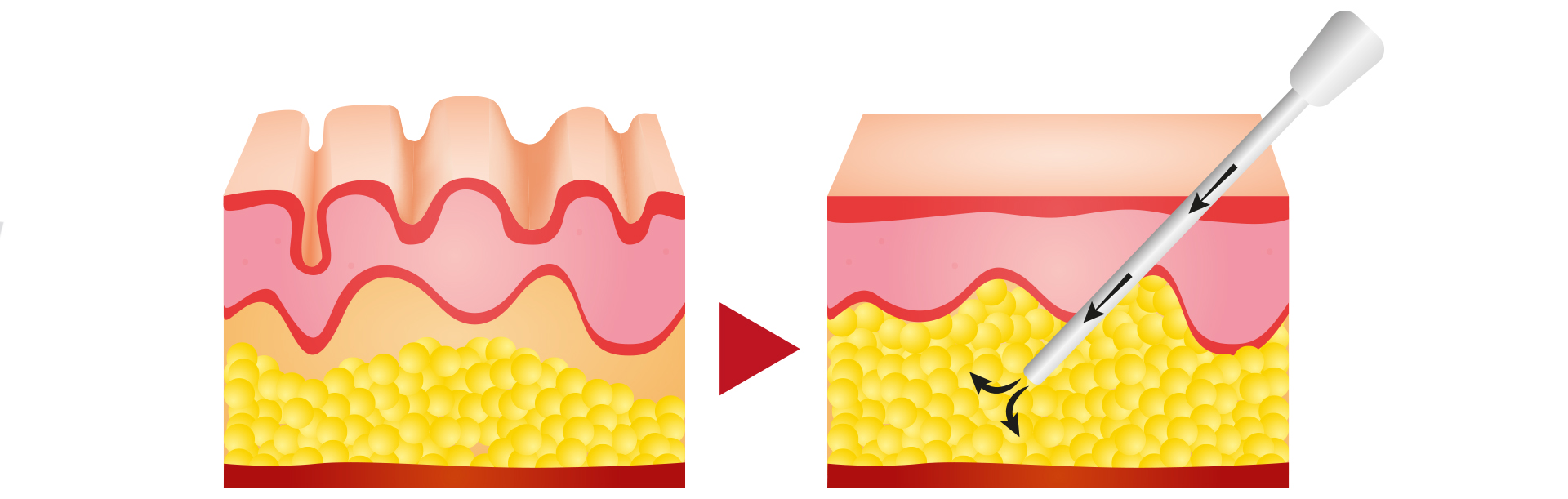
For fat injection, fat cells are harvested from areas with excess, such as the abdomen and flanks, using fine cannulas. The fat is collected through 3–4 mm incisions, which later leave barely noticeable marks. The donor areas also become slightly slimmer. If your excess is limited, you may be hitting two birds with one stone. However, the primary goal is to obtain fat grafts rich in stem cells. The harvested fat is then injected into the desired area using appropriate cannulas and needles. It is not the case that all injected fat survives or that it all resorbs. As a rule of thumb, depending on the treated area, at least 50% of the grafted fat typically remains. Advantages include the graft’s high stem-cell content, the fact that it is your own tissue (autologous), and the ability to obtain larger volumes than off-the-shelf fillers for wide areas.
Fat injection can be applied to any area where it is needed. In practice, it is most commonly used in the face: to define and plump the lips; fill the lines running from the sides of the nose to the mouth (nasolabial folds); enhance the cheekbones and the chin tip; fill forehead and frown lines; add volume to the cheeks, especially in slender individuals; correct any facial depressions and irregularities; address leg contour irregularities; correct breast asymmetries; fill depressions that may occur after liposuction; and rejuvenate the backs of the hands. It can also be combined with facelift and other operations. Any surplus fat harvested during the procedure can be stored and later injected into the necessary areas without repeating the harvesting step. The drawback of this method is that a certain proportion of the transferred fat will be resorbed. Because resorption is generally uniform, if 20% of the fat cells in your left cheek resorb, about 20% in the right cheek will resorb as well. This resorption does not harm the body, and the procedure can be repeated if necessary.
Fat injection can be performed under sedation anesthesia. The average procedure time, depending on the extent of the area to be treated, is 30 minutes to 1 hour. Because there are no surgical incisions, scarring is not a concern. Swelling in the treated area for a few days after the procedure is normal. Applying cold packs and using over-the-counter pain relievers are helpful. Depending on the scope of the procedure, your social circumstances, and your occupation, you can return to work and daily life within a few days to a few weeks.

