

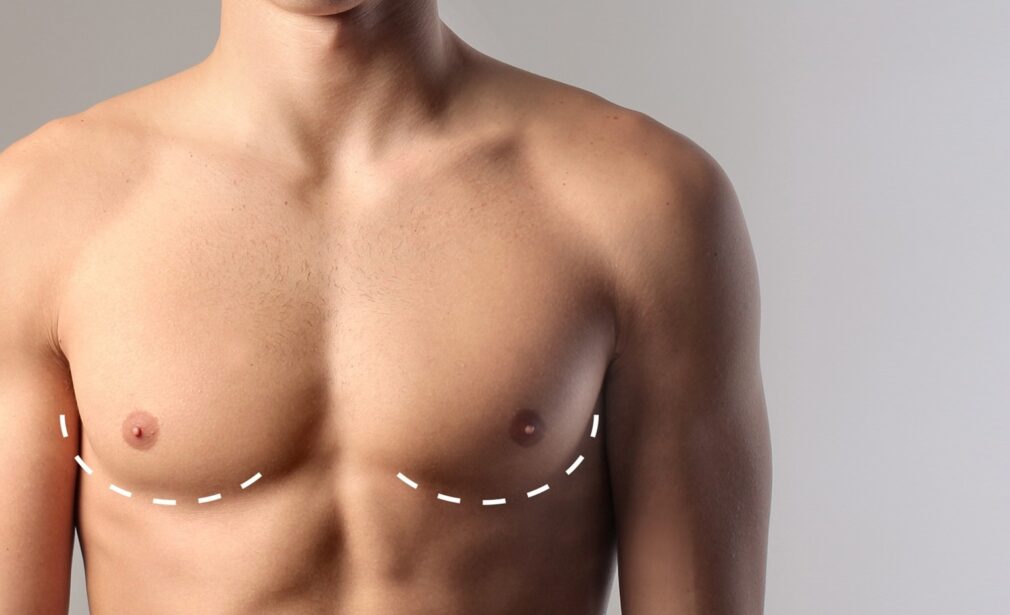
Gynecomastia
Gynecomastia is a condition defined as the abnormal enlargement of breast tissue in men. It usually occurs as a result of hormonal imbalances and can occur especially due to adolescence, aging, or certain health problems. This condition, known as “breast enlargement in men” among the public, can lead to aesthetic concerns and self-esteem problems.
What Causes Gynecomastia?
Gynecomastia is caused by an imbalance between the hormones testosterone and estrogen. An increase in estrogen or a decrease in testosterone can cause breast tissue to grow. This situation may arise from the following factors:
- Adolescence: It can be seen as a temporary condition as a result of hormonal fluctuations.
- Medication use: Steroids, some antidepressants, and antihypertensive drugs can lead to gynecomastia.
- Health problems: Problems such as liver diseases, thyroid disorders, and testicular tumors can affect hormone balance.
- Aging: Natural changes occur in hormone levels as age progresses.
How is Gynecomastia Surgery Performed?
Gynecomastia surgery can be performed under local or general anesthesia. The aim is to reduce the breasts in a way that brings them into a harmonious appearance with the body. There are 3 alternatives for this reduction process. The first is liposuction, the second is tissue removal, and the third is the simultaneous application of both. Which of these three methods will be applied depends on the patient’s breast size and the characteristics of the breast tissue.
In gynecomastia, breast tissue is increased. However, this may be due to an increase in the fat component, the mammary gland component (gland), or both of the breast tissue. Fat tissues can be easily removed with liposuction, but gland tissues may not be removed with the same ease. First,
Depending on the increase in the volume of breast tissue, there is also an increase in skin volume. This increase does not create a problem in mild-to-moderate gynecomastia, and no procedure is performed on the skin during the surgery. After the surgery, the skin adapts to the new volume underneath by shrinking. However, in advanced gynecomastia (the size of an adult woman’s breast), it is necessary to intervene on the skin as well. Because after the surgery, the skin cannot adapt to the new volume underneath by shrinking. If the excess part of the skin is not removed, sagging occurs.
Risks such as infection, bleeding, tissue death, and opening of sutures that can occur in any surgery are very rare. Specifically for gynecomastia surgery, asymmetry between the breasts, retraction of the nipple, visible undulations in the breast skin, and insufficient tissue removal can be counted. However, with good planning and sufficient experience, the rate of occurrence of these risks is almost negligible.
Technically, scars remain after every surgery. Anyone who says otherwise is lying. For liposuction application, 1-2 cuts of 2-3 mm are made on each breast. The scars of these cuts become indistinct after 3 months. In cases where gland tissue needs to be removed from the breast, a semi-circular incision is made under the nipple. This scar also becomes indistinct after 3 months. In advanced gynecomastia, since skin removal is required, a scar remains on the breast, which varies depending on the technique used. This scar decreases over time, but it is not as indistinct as we can say.
Any man who is uncomfortable with his appearance and has no obstacles to surgery, and who has completed puberty, can have surgery. Since the beginning and end of adolescence will differ from person to person, it would not be correct to give a definite age.

